/08 · 2026
Mission-Driven Habitability
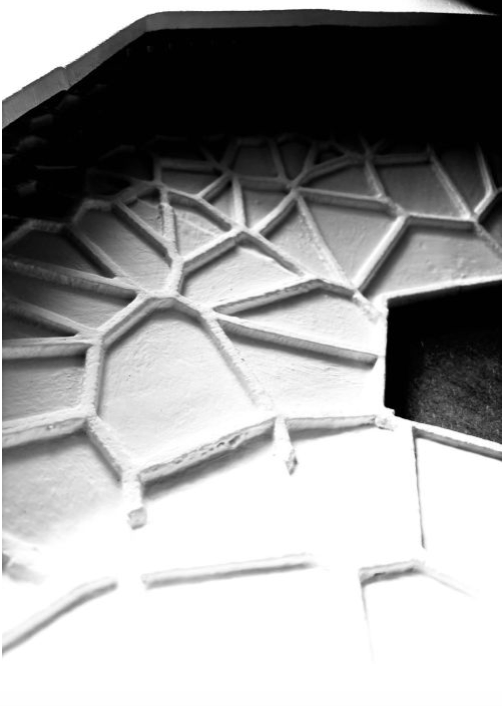
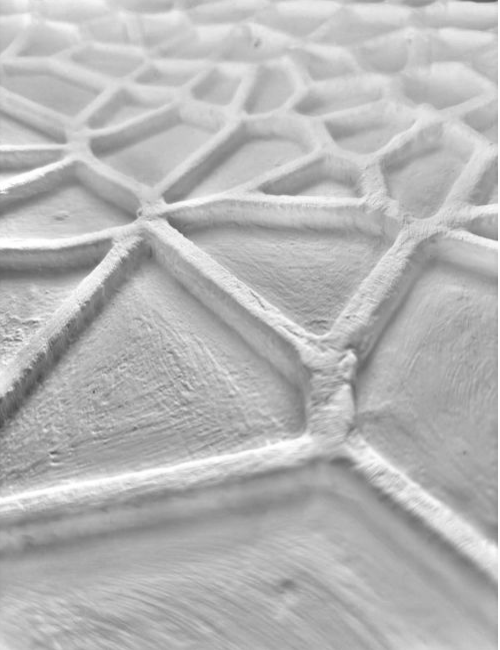
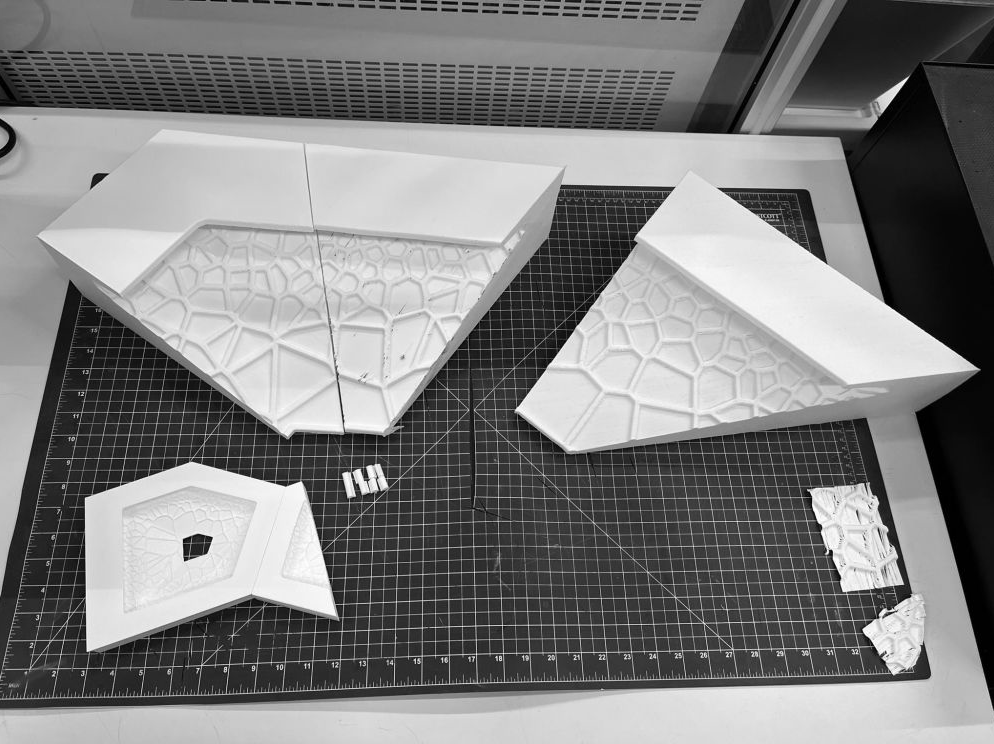
A TU Delft studio response to mission-driven confinement at Antarctica's Troll Station: a self-supporting Voronoi interior fit-out inside the standard living container, 3D-printed from the station's own plastic waste, with AI-driven circadian lighting for the polar night.
- role
- Group work (7 members)
- location
- TU Delft
- org
- TU Delft · MSc Architecture, Urbanism and Building Sciences
- tutors
- Henriette Bier (course), Arwin Hidding, Vera Laszlo, Lisa-Marie Mueller
- tools
- Rhino · Grasshopper · Karamba3D · Python (scikit-learn) · Arduino / ESP32 · HTML/JS · 3D printing
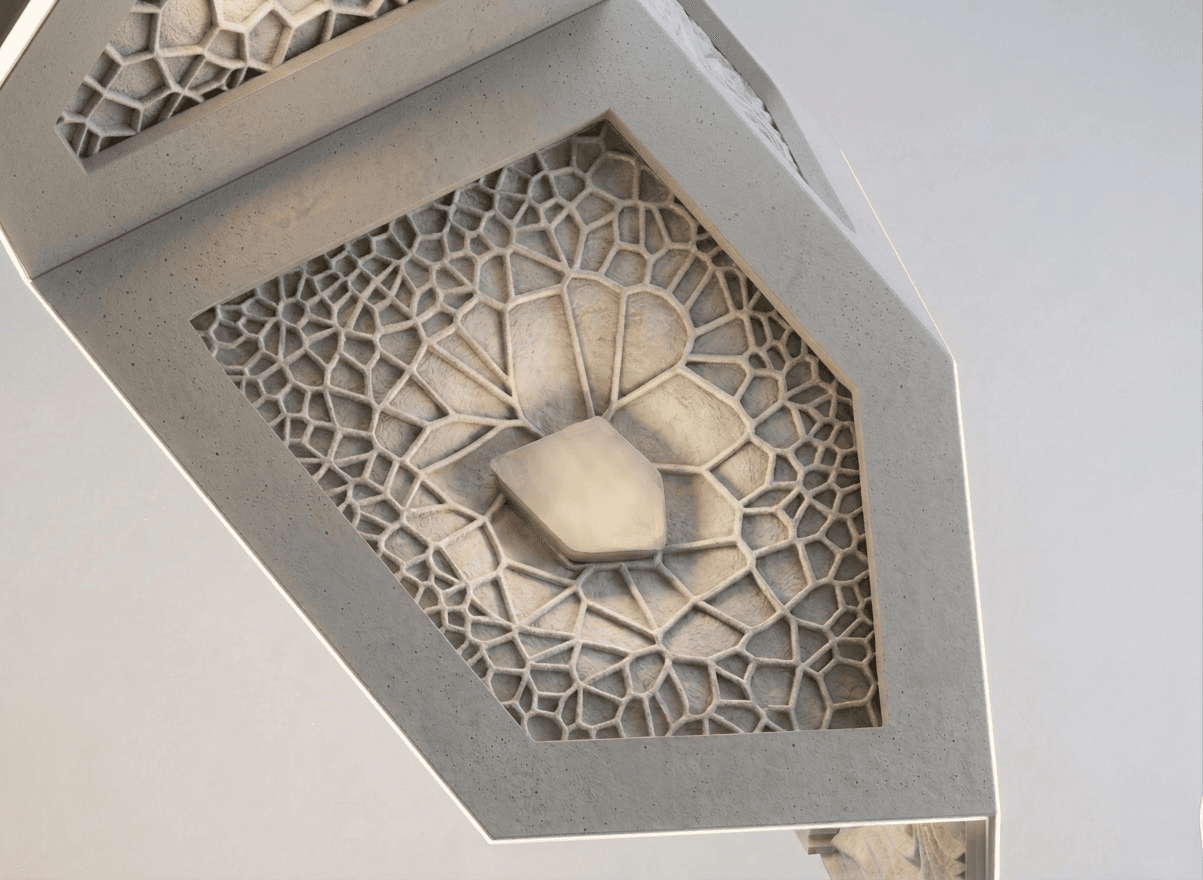
Overview
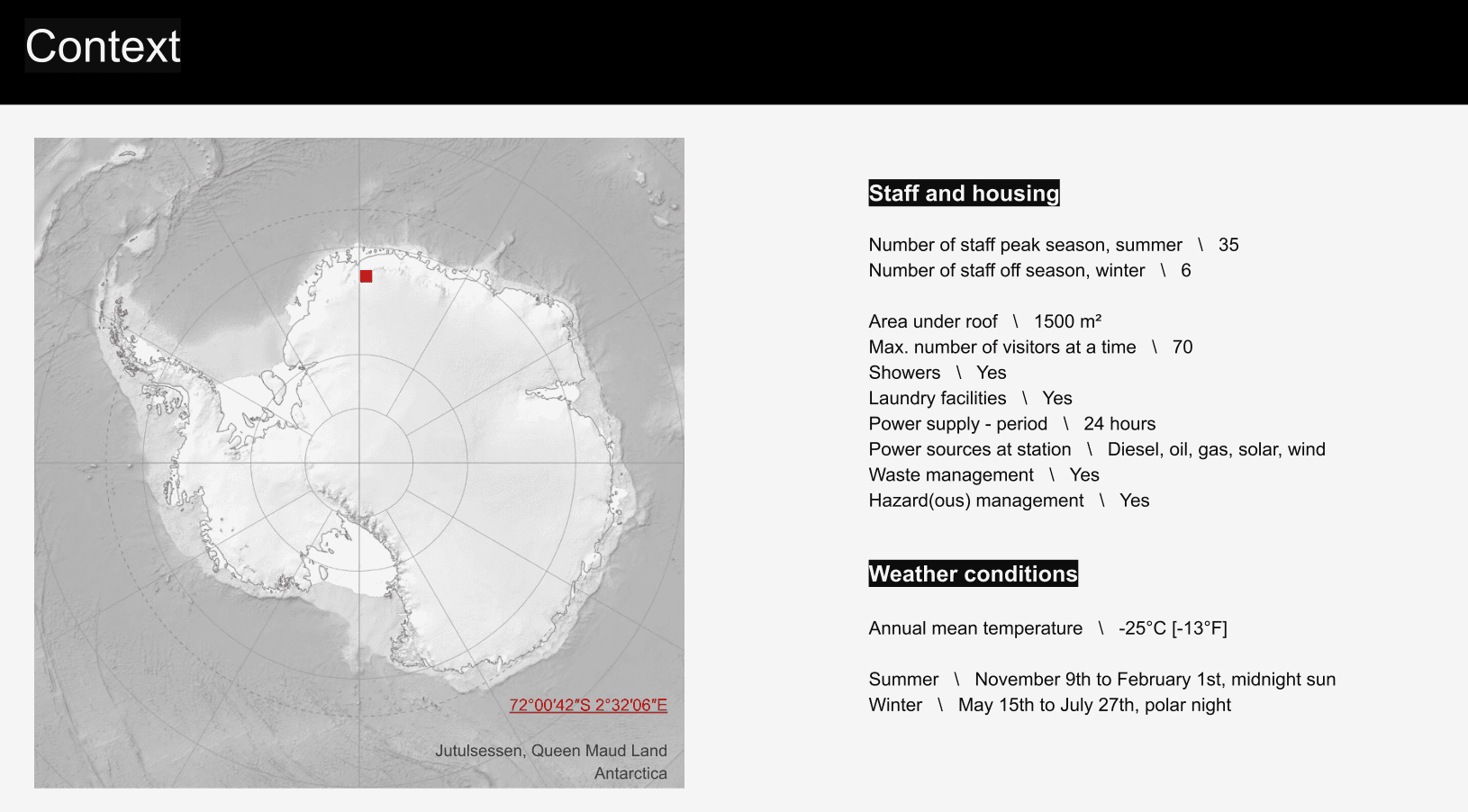
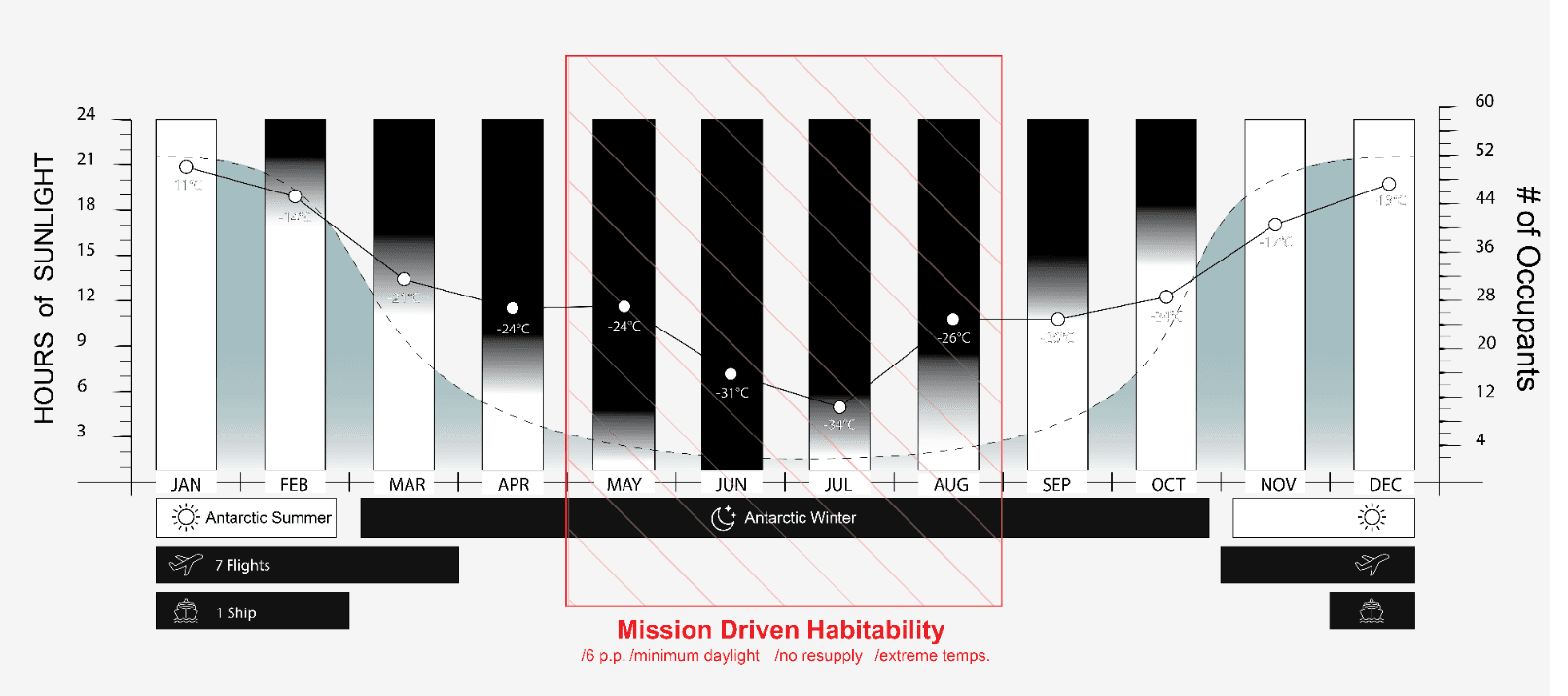
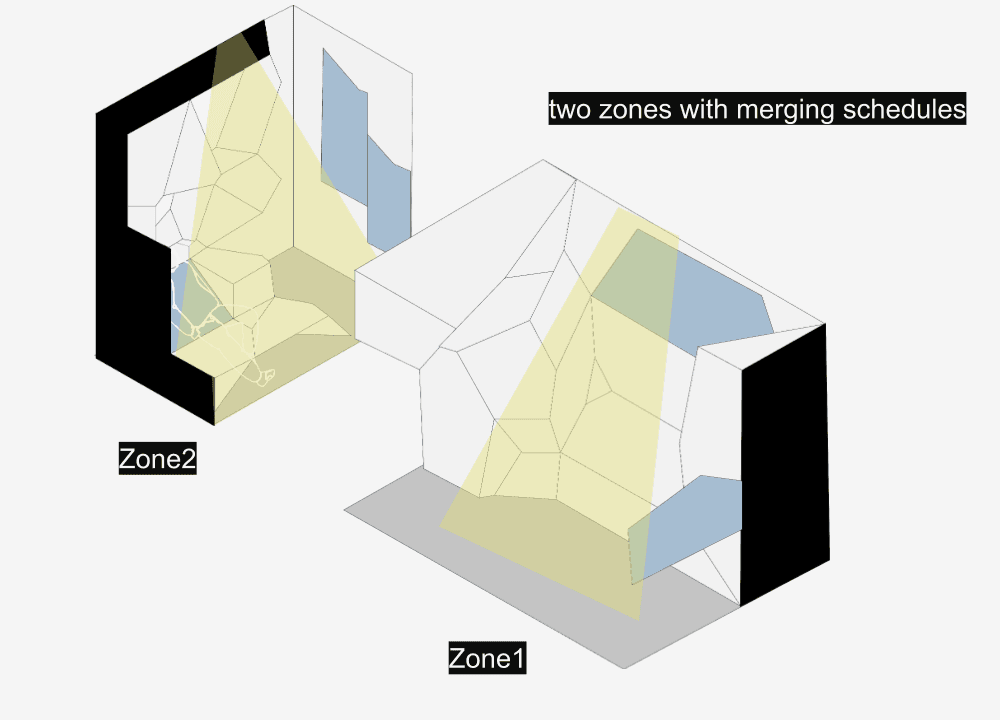
Troll Station sits in the Norwegian sector of Antarctica; during the polar winter, occupants spend long stretches inside a standard container-based shell, cut off from daylight and from resupply. The studio brief asked how the interior, not the envelope, could carry habitability through this period. Our team framed a worst-case stress test: two researchers remain continuously inside a single container for seven days. The scenario isn't a literal prediction; it is a way to surface the spatial, environmental and psychological demands that a normal-operation brief would hide.
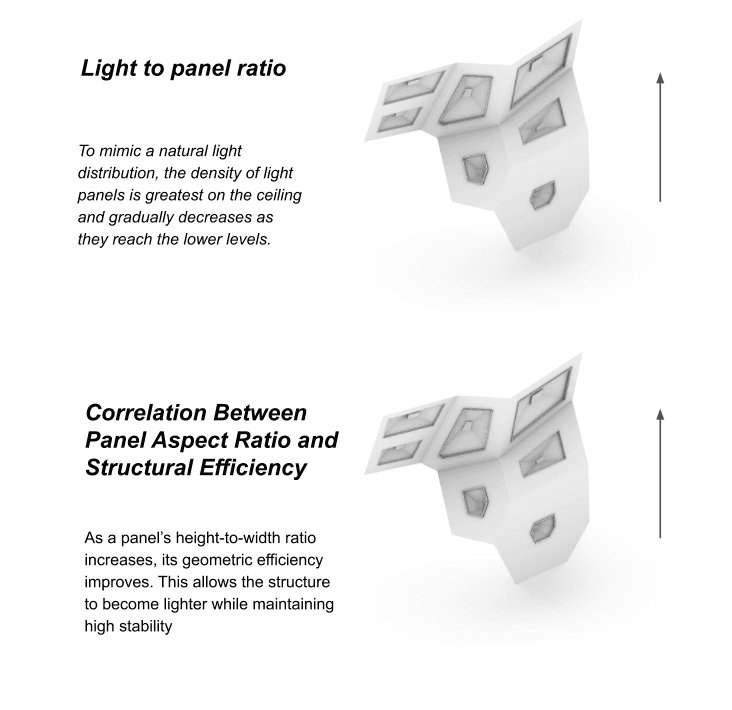
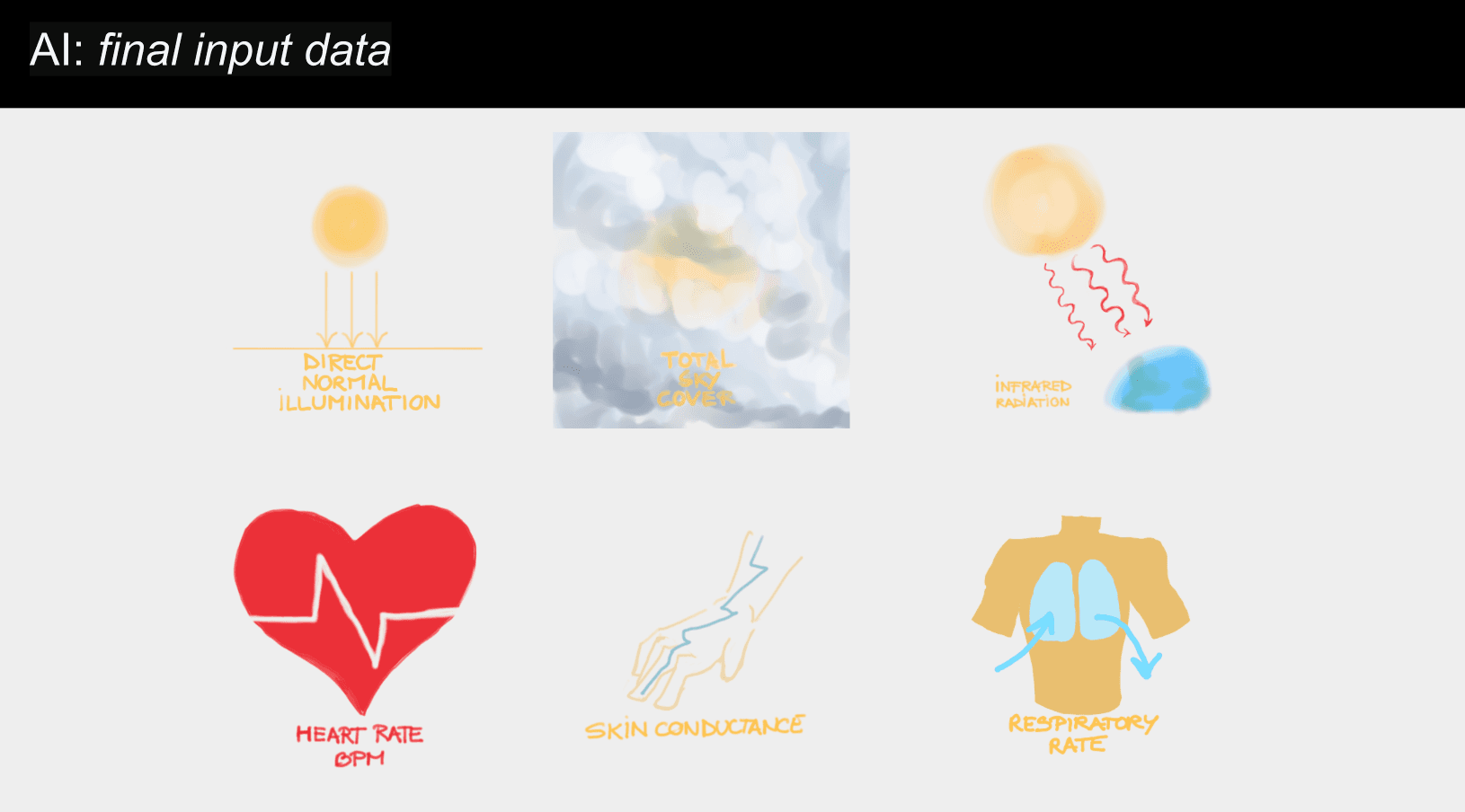
Three criteria structured the proposal: agency (users can modify the space in response to changing routines), privacy (retreat remains possible under constant co-presence), and sleep (rest is treated as a spatial and environmental condition, not just a timetable). A self-supporting Voronoi fit-out with integrated foldable furniture absorbs routine changes; panels are 3D-printed from the station's own plastic waste; an AI model adjusts illuminance and correlated colour temperature in response to circadian logic, weather data, and selected physiological signals.
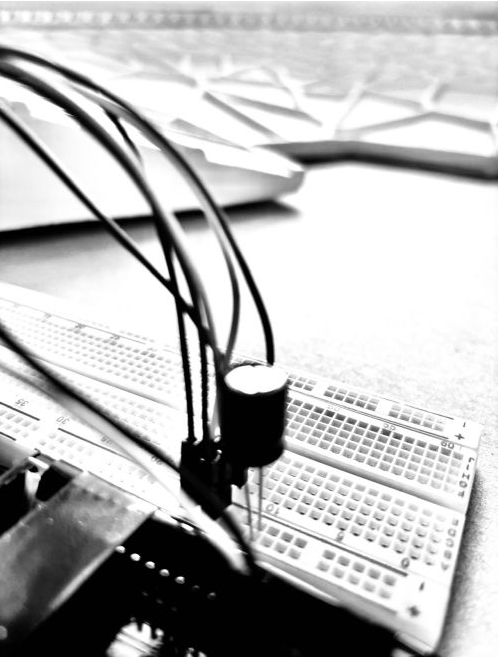
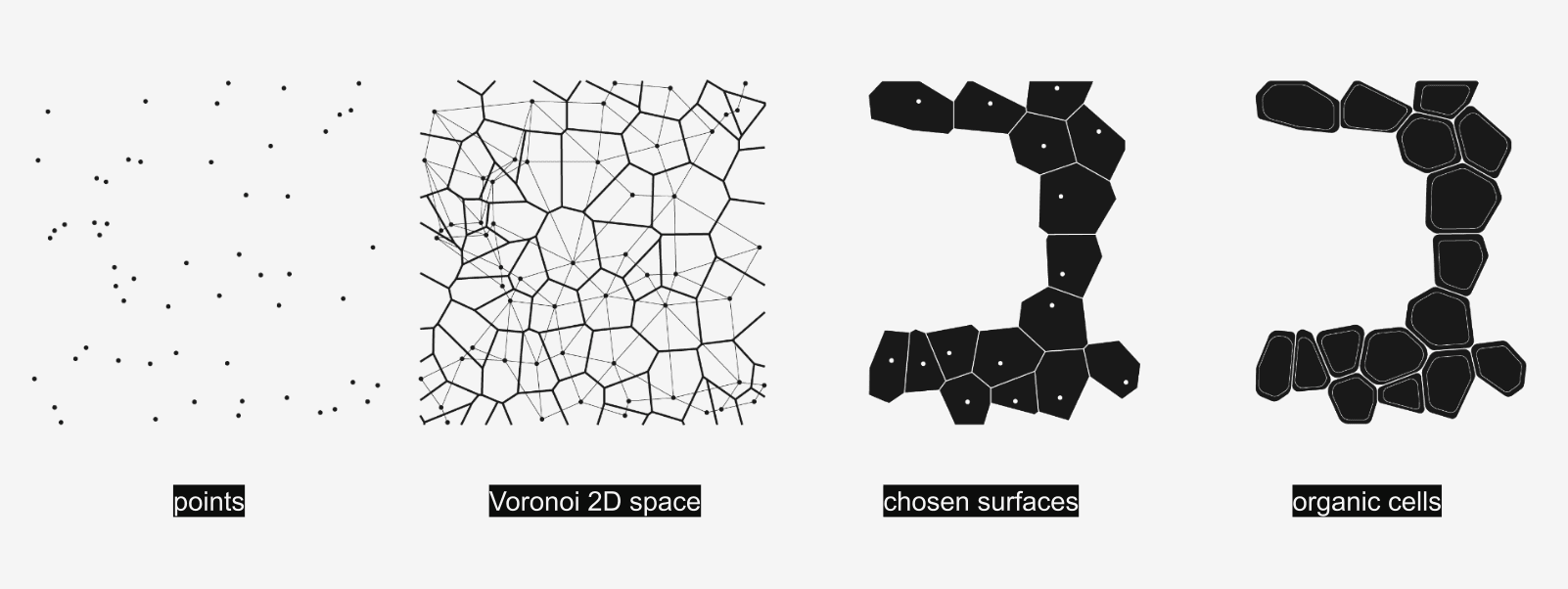
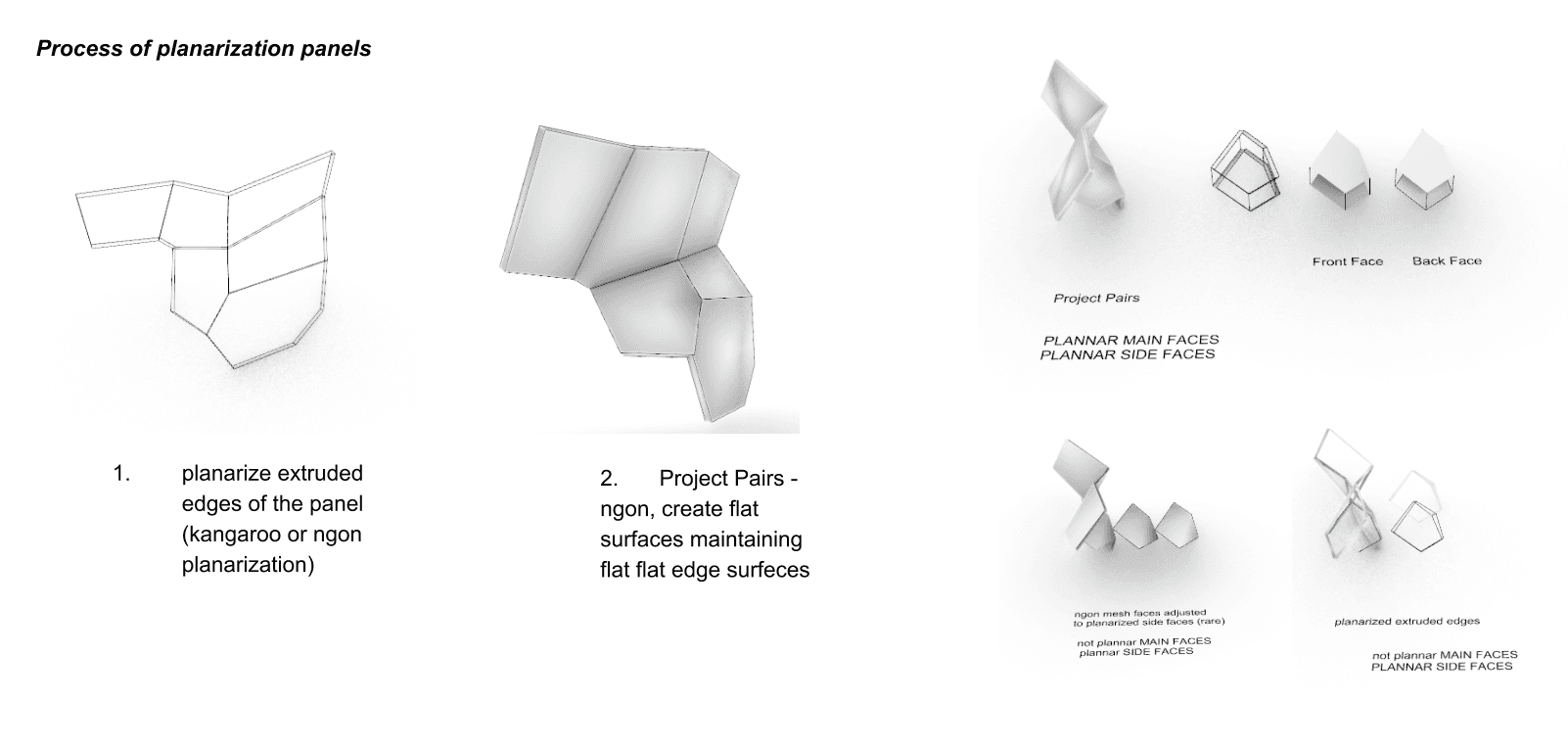
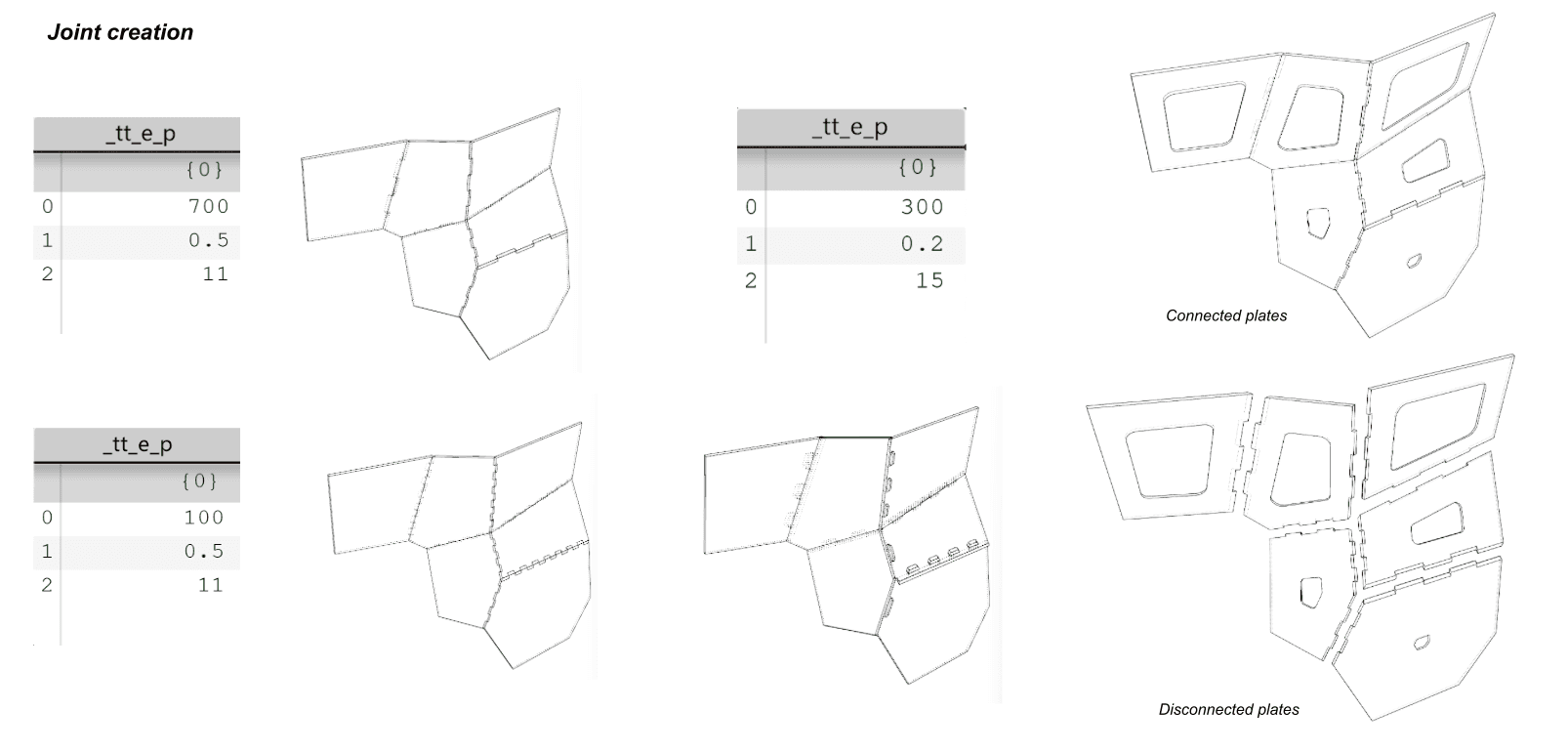
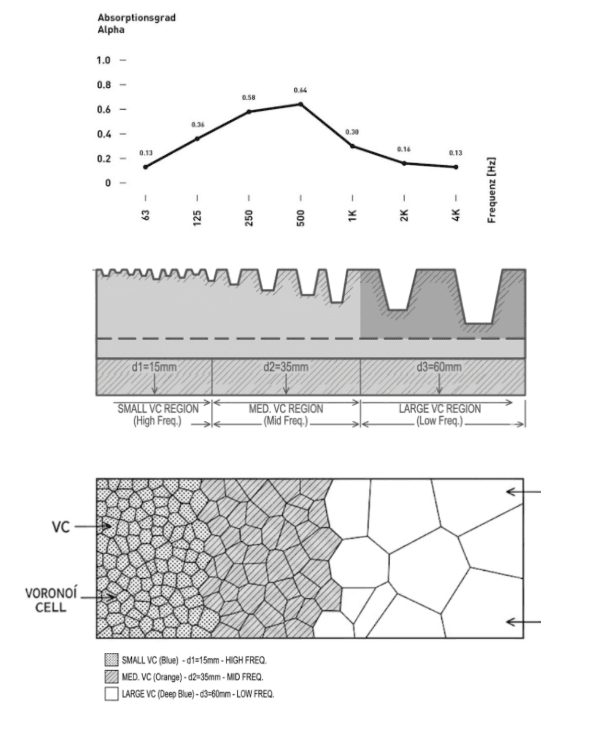
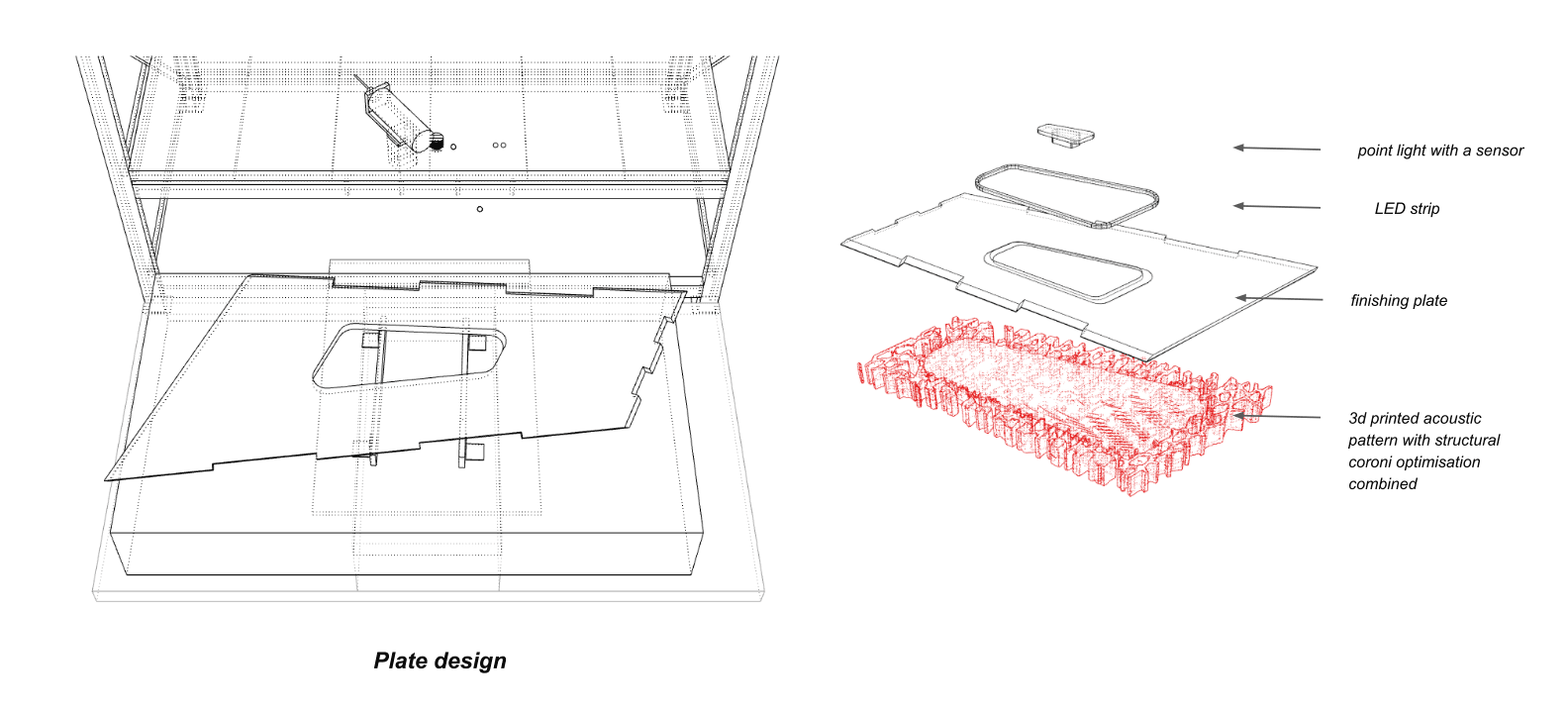
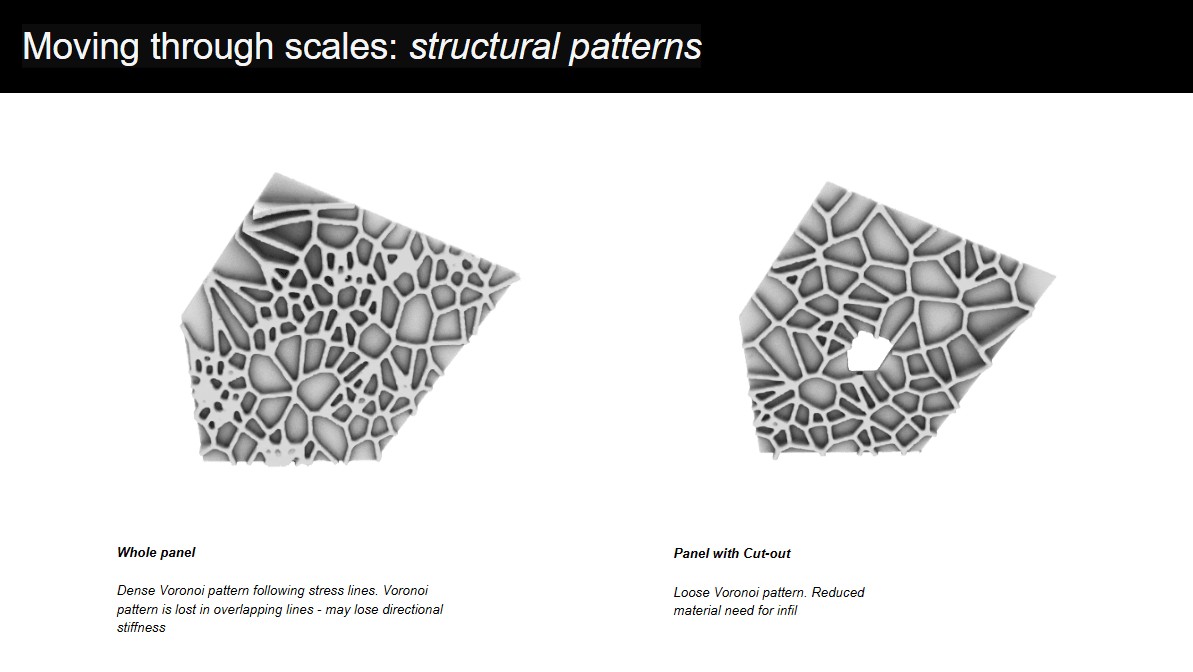
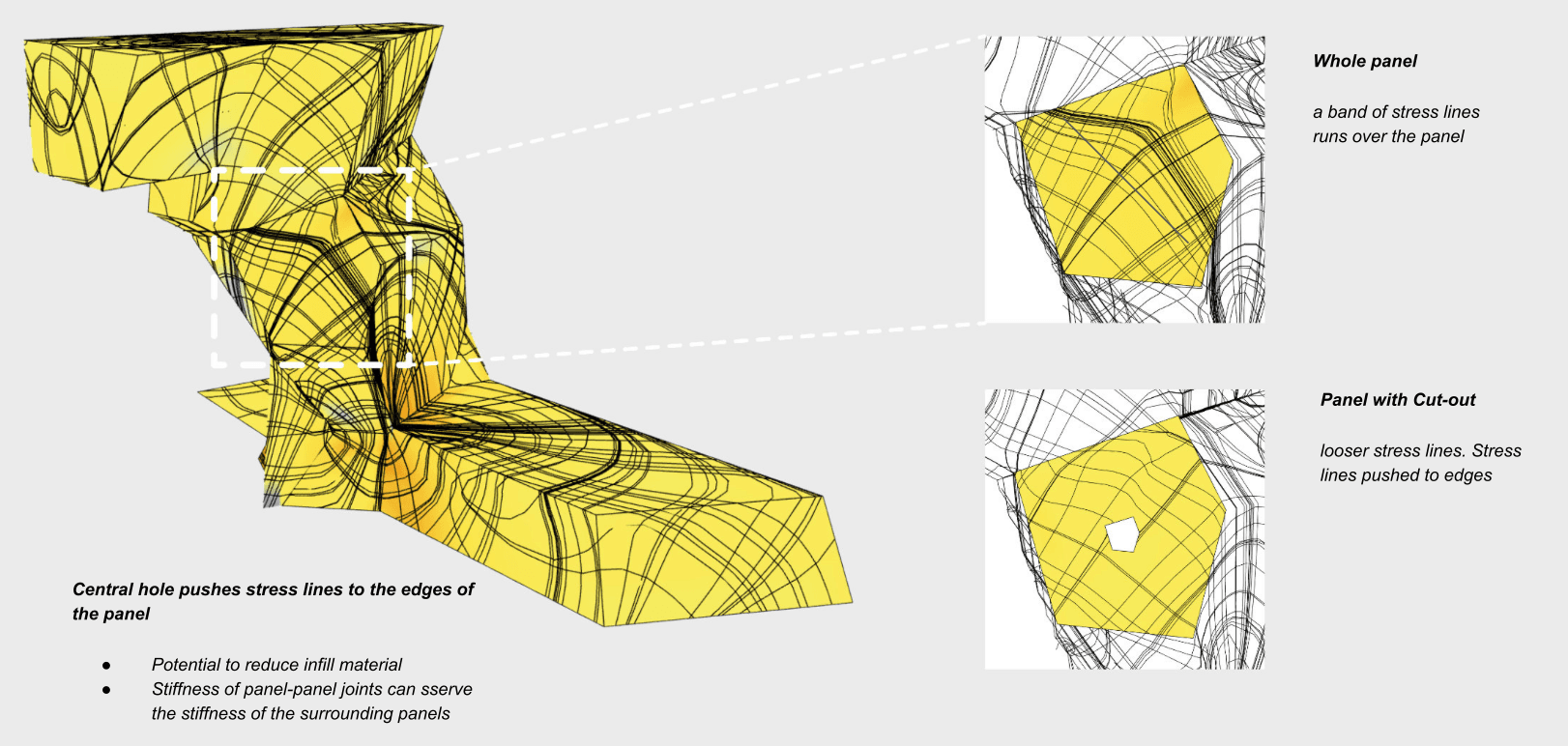
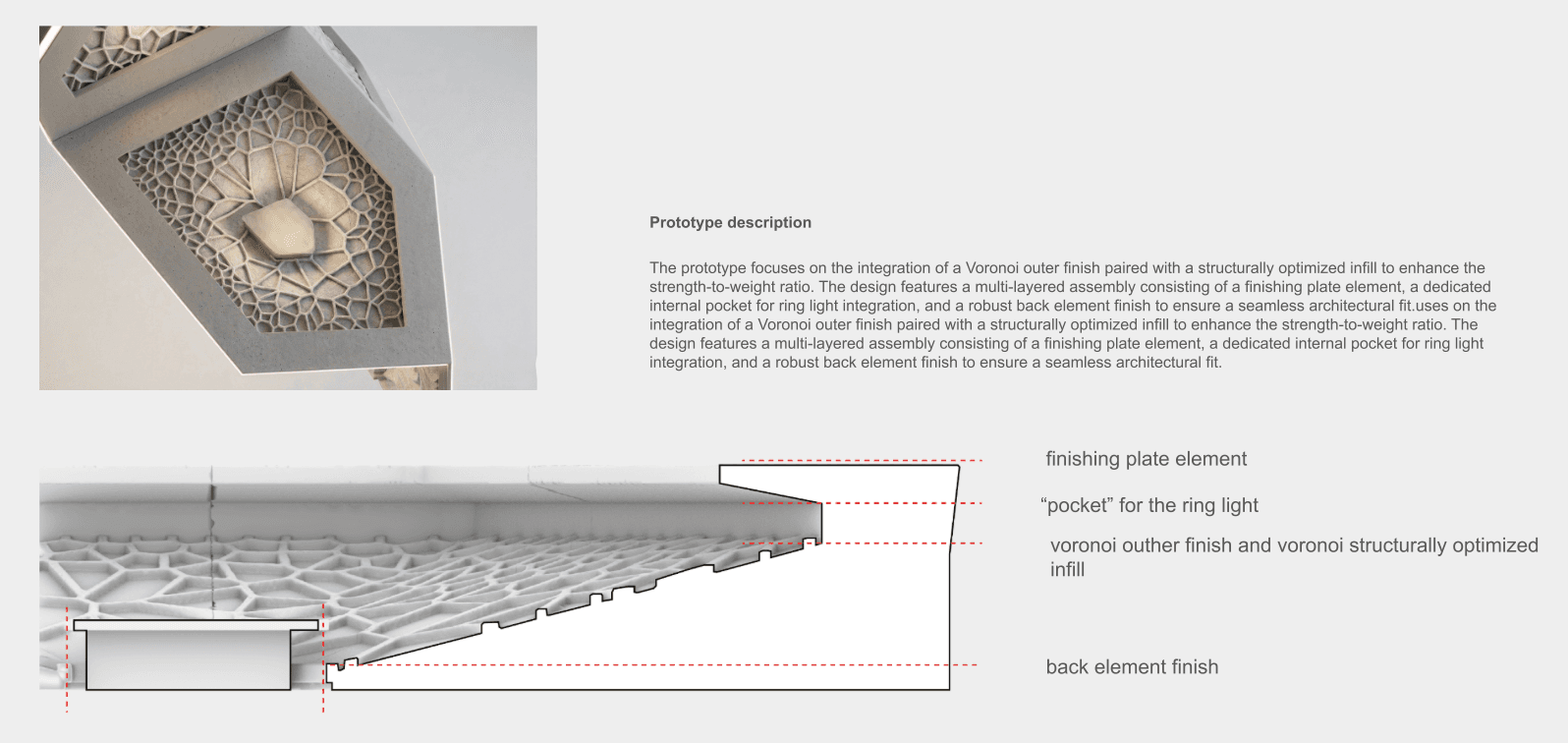
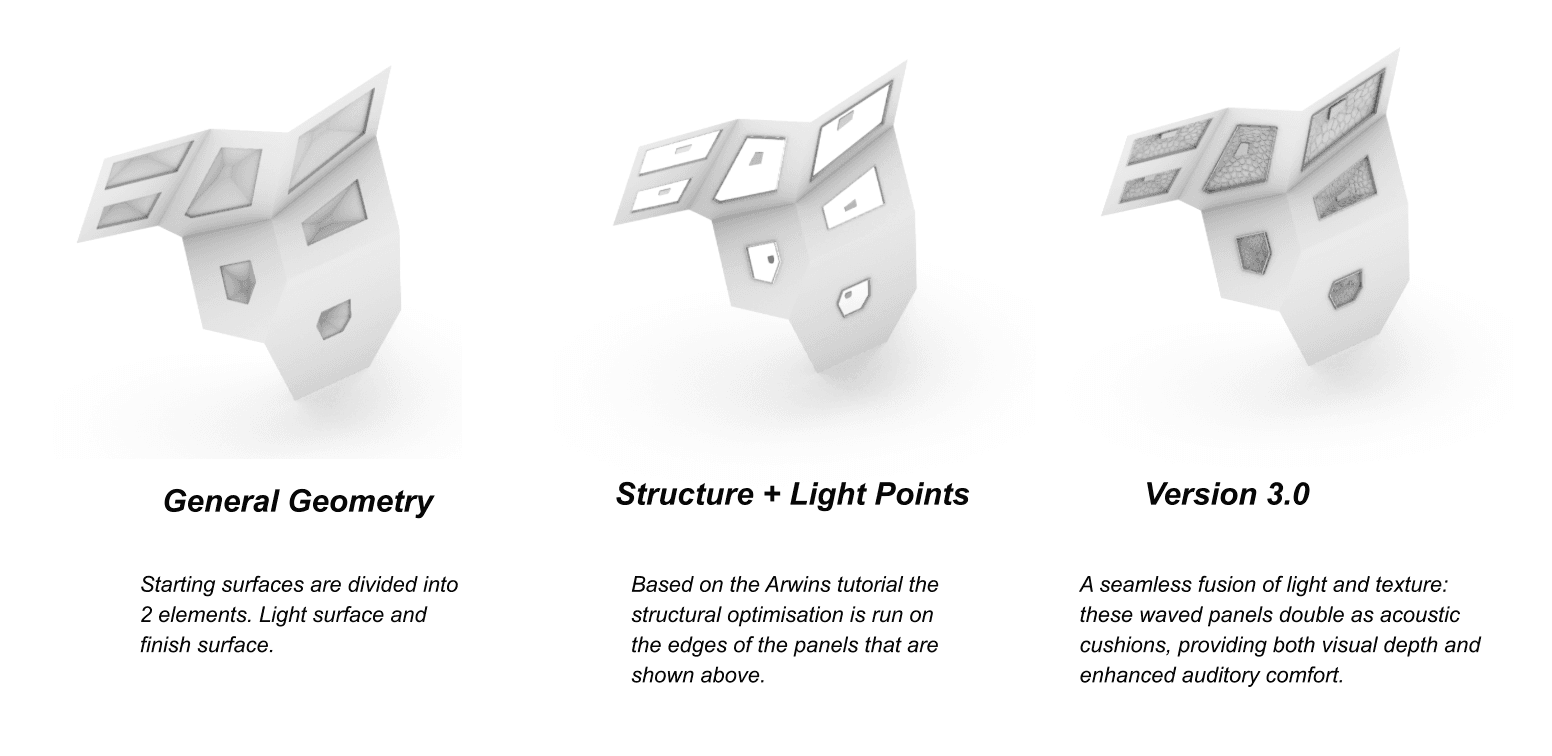
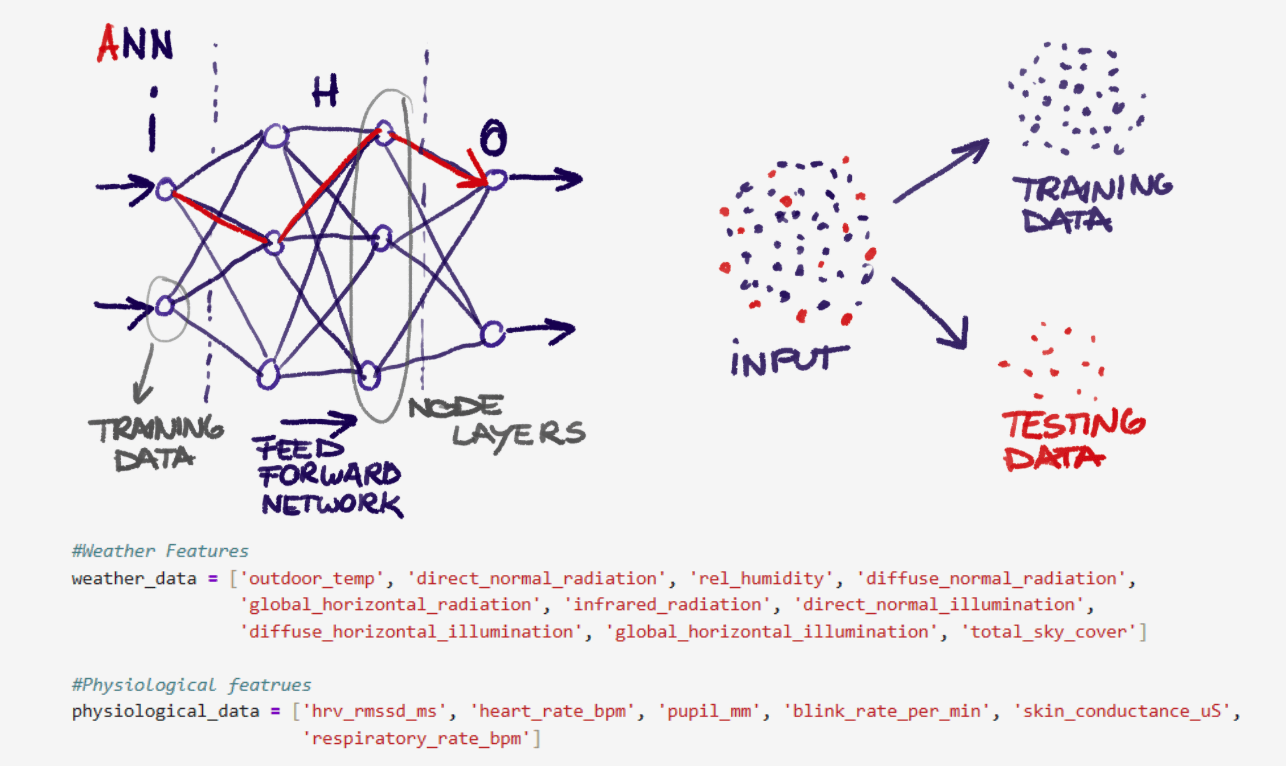
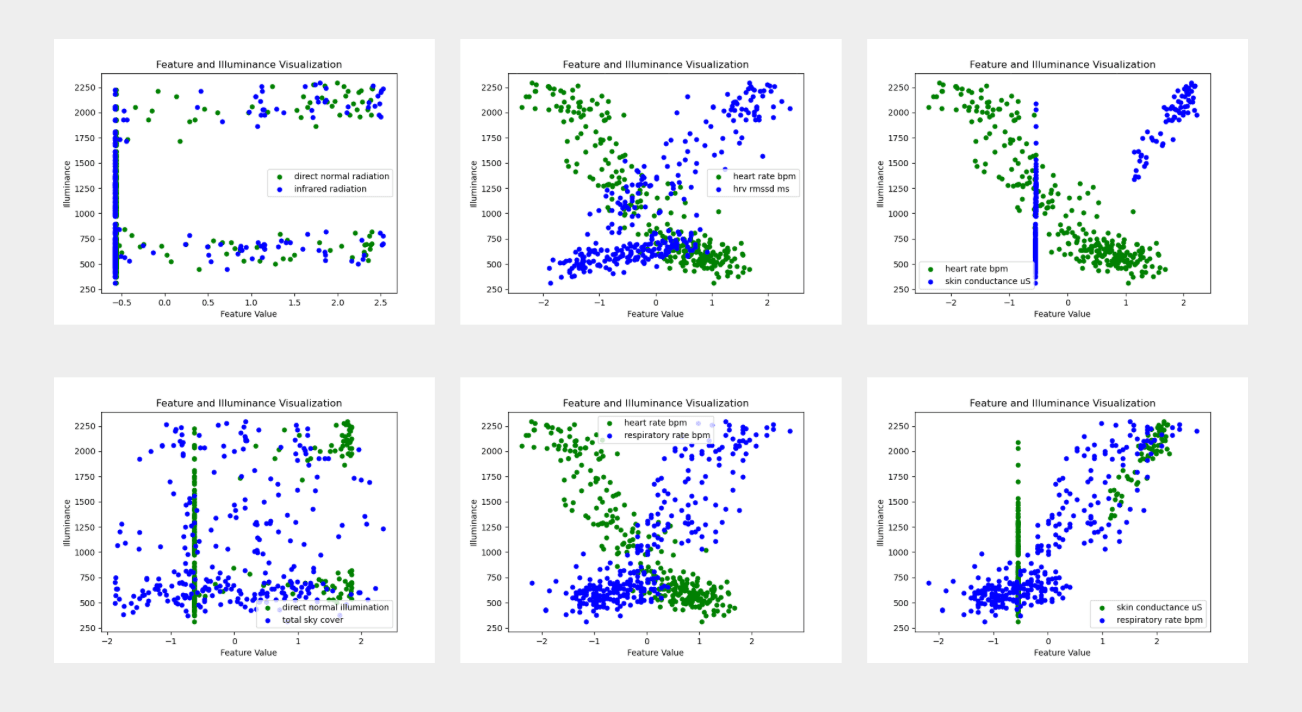
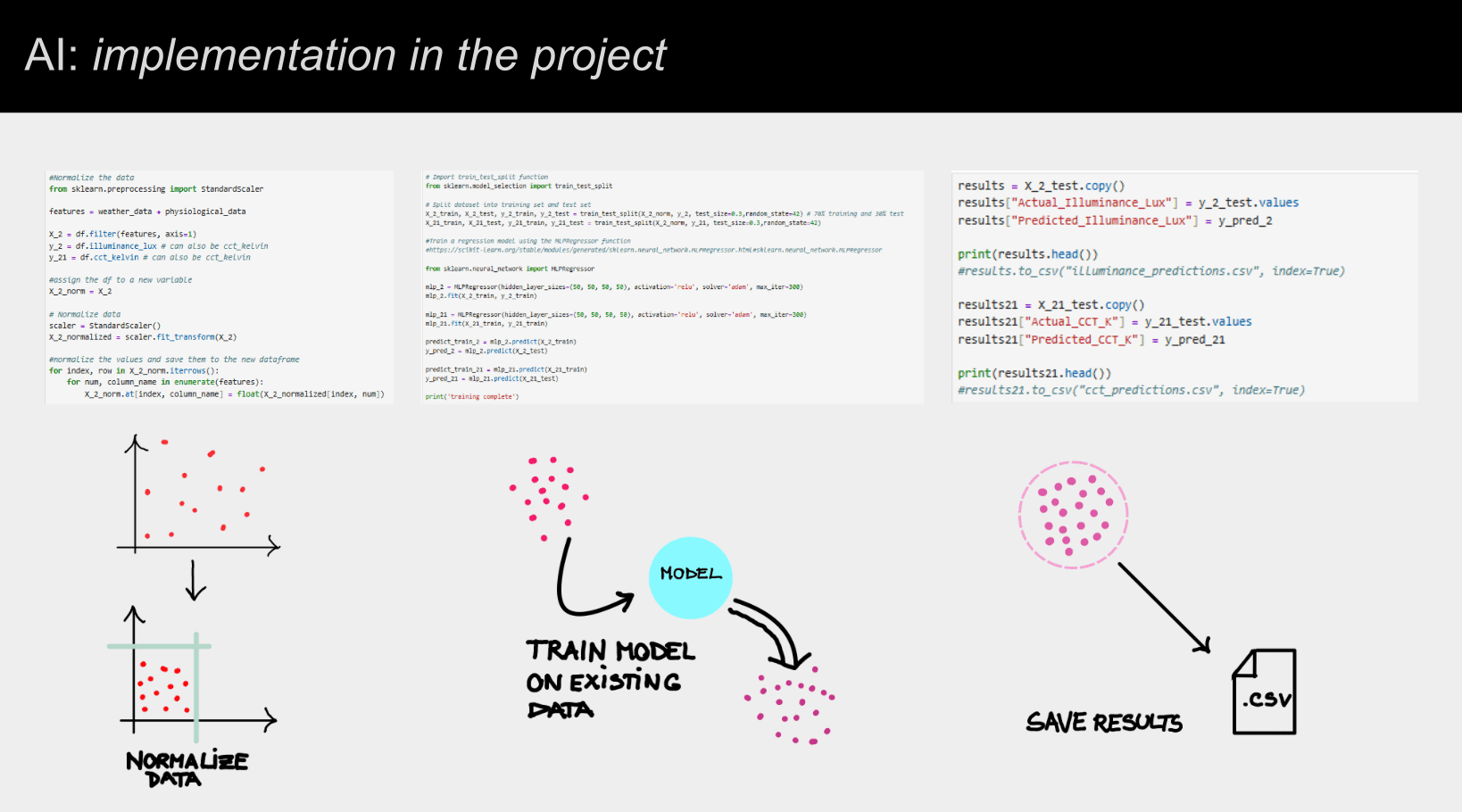
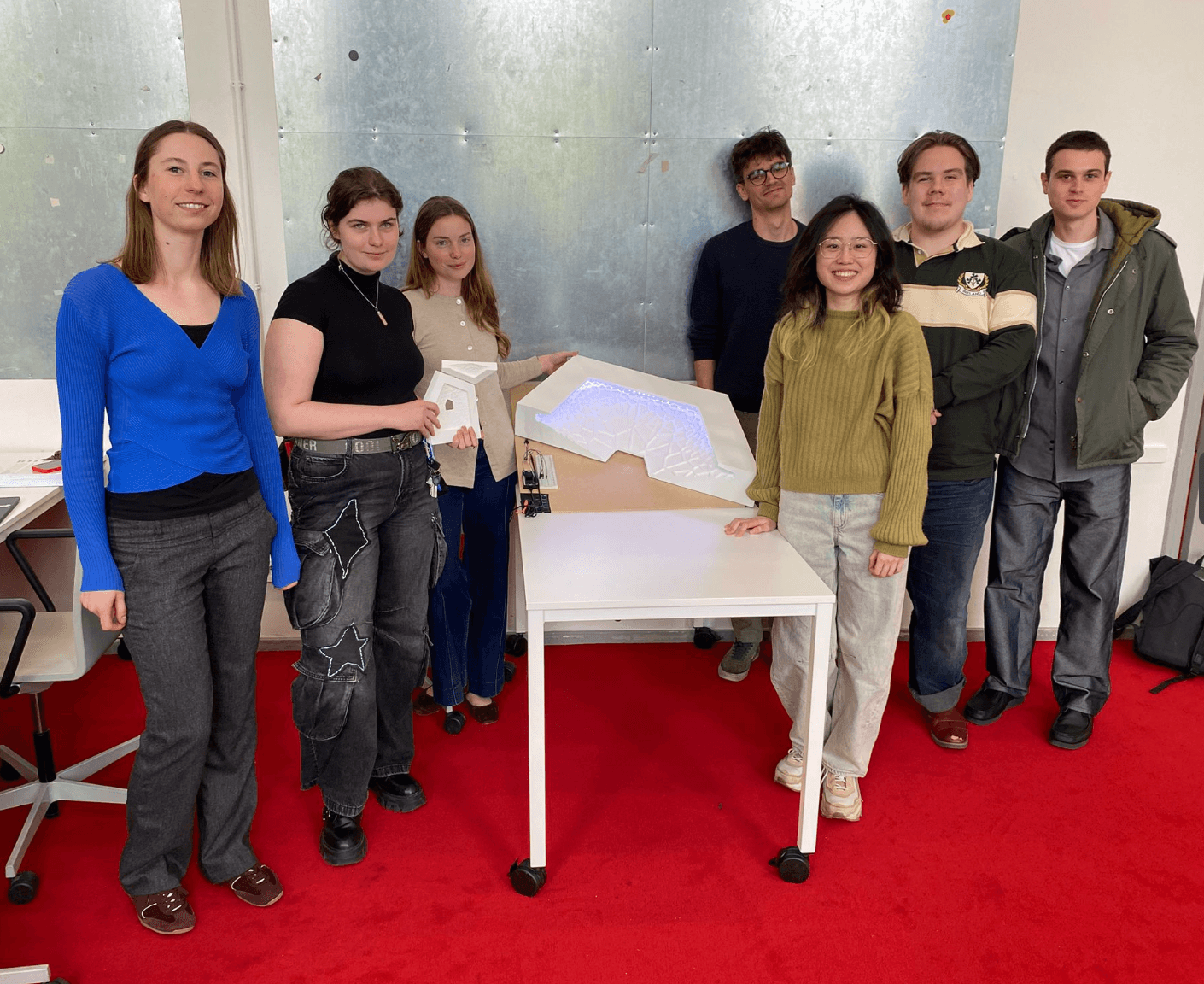
Geometry was developed in Grasshopper, keeping the orthogonal container order and using the Voronoi infill to articulate zones at room scale and acoustic / structural texture at panel scale. The lighting model was trained in Python with scikit-learn on a 70 / 30 split (~93% accuracy for illuminance, ~81% for CCT). Its predictions feed a Grasshopper visualisation and an ESP32 / Arduino prototype, driven either by a pre-computed 24-hour sequence or live from an HTML PhysioApp interface that lets the environment either mirror a detected state or compensate for it.
Scenario · seven days indoors
The design targets the most severe winter interval: continuous darkness, restricted external mobility, and the longest gap between resupply missions. Within that frame, two occupants share a single container for seven days without leaving. The scenario is not a prediction; it's a stress test that exposes the spatial, environmental and psychological demands of confinement that a 'normal-operation' brief would hide.
From AI output to LED input
The trained model emits correlated colour temperature (kelvin) and illuminance (lux), which is environmentally meaningful but not directly consumable by an LED strip. A translation chain converts CCT to RGB and illuminance to brightness, bounds CCT to the 2700 to 6500 K window, and couples the two channels so colour temperature and intensity stay correlated. Across a 24-hour cycle the red channel stays structurally high; what changes is the balance of blue and green.
Setting A · scripted 24-hour cycle
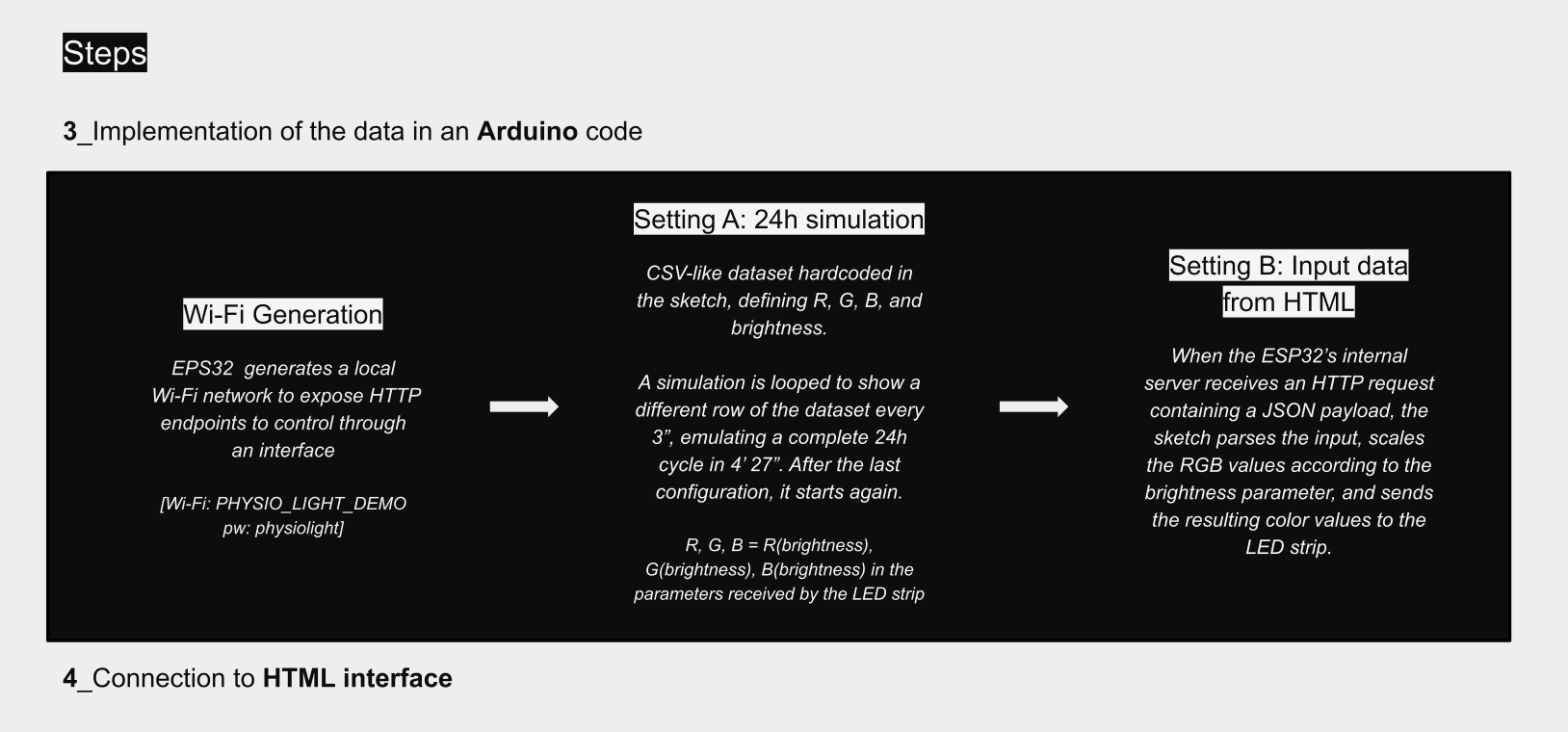
A precomputed CSV of R, G, B, brightness rows is hard-coded into the Arduino sketch; the loop steps through one row every 3 s, compressing a full day into roughly 4 min 27 s. A polar winter on fast-forward, which is the only version anyone volunteered to sit through.
Setting B · live control
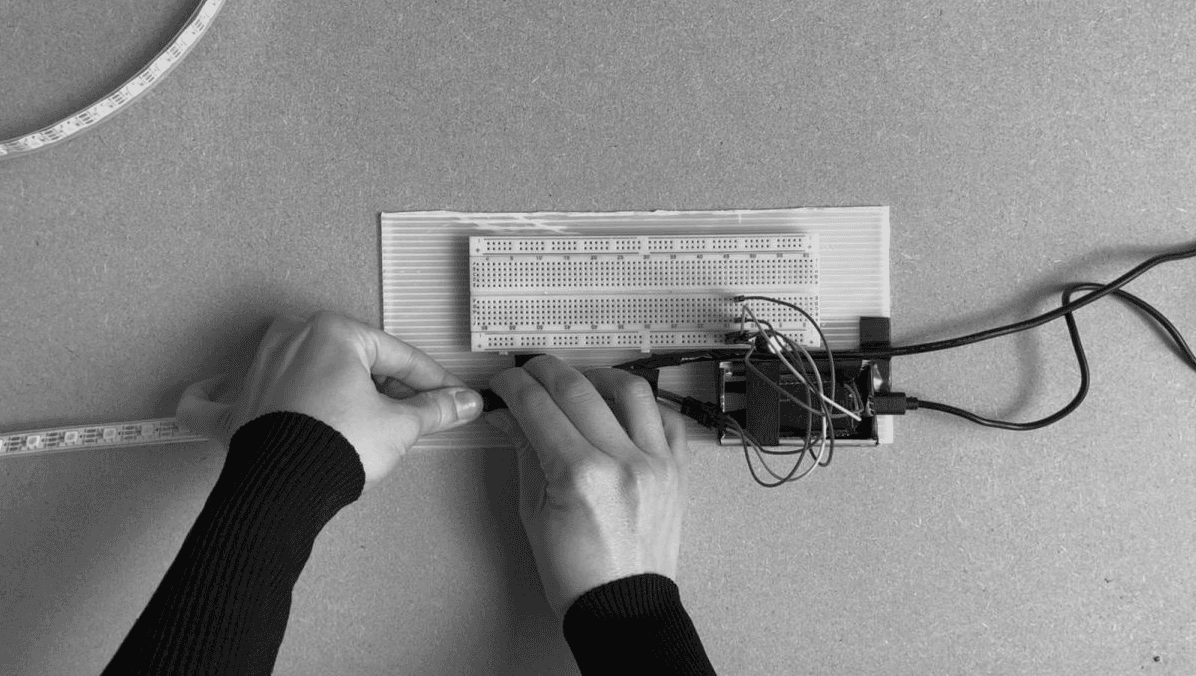
The ESP32 exposes HTTP endpoints on a local Wi-Fi network; the HTML PhysioApp posts JSON (preset, activity, response mode), the sketch parses it, scales RGB by brightness, and updates the strip.
Mirror or compensate
Presets (calm, focus, stress, overload) × activities (sleep, eat, leisure, work) feed a single luminous output. Mirror reflects the detected state; compensate counterbalances it, a corrective rather than mimetic response.
Limitations & ethics
The seven-day scenario is a stress test, not an in-situ validation; the predictive model runs on a curated dataset rather than live Antarctic data; the prototype demonstrates translation at panel scale, not the full habitat over long-duration occupation. More importantly, a system that watches the body to adjust the environment is not ethically neutral. Even when it reduces manual control, it normalises continuous physiological monitoring inside a domestic setting. Consent, transparency, data residency, and a clear boundary between support and regulation are open questions the design doesn't yet answer.
Demo videos
Team
- Giorgia VercelloniGroup member
- Maciej SachseGroup member
- Floruț RuxandraGroup member
- Zuzanna SchleiferGroup member
- Brendan ExterkateGroup member
- Gabriel MarksGroup member
- Wong Long KiGroup member