/05 · 2026
Klaudiush
Interactive 3D civic-budget map for the GZM Metropolitan Area: a jury-recognized prototype built in 48 hours at AEC Hackathon Copenhagen 2026.
- role
- Group work · 4-person team, 48-hour sprint
- location
- BLOXHUB, Copenhagen
- org
- AEC Hackathon Copenhagen 2026
- tools
- React · MapLibre GL JS · Google Photorealistic 3D Tiles · Vercel · Open civic budget data (GZM / Gliwice)
Overview
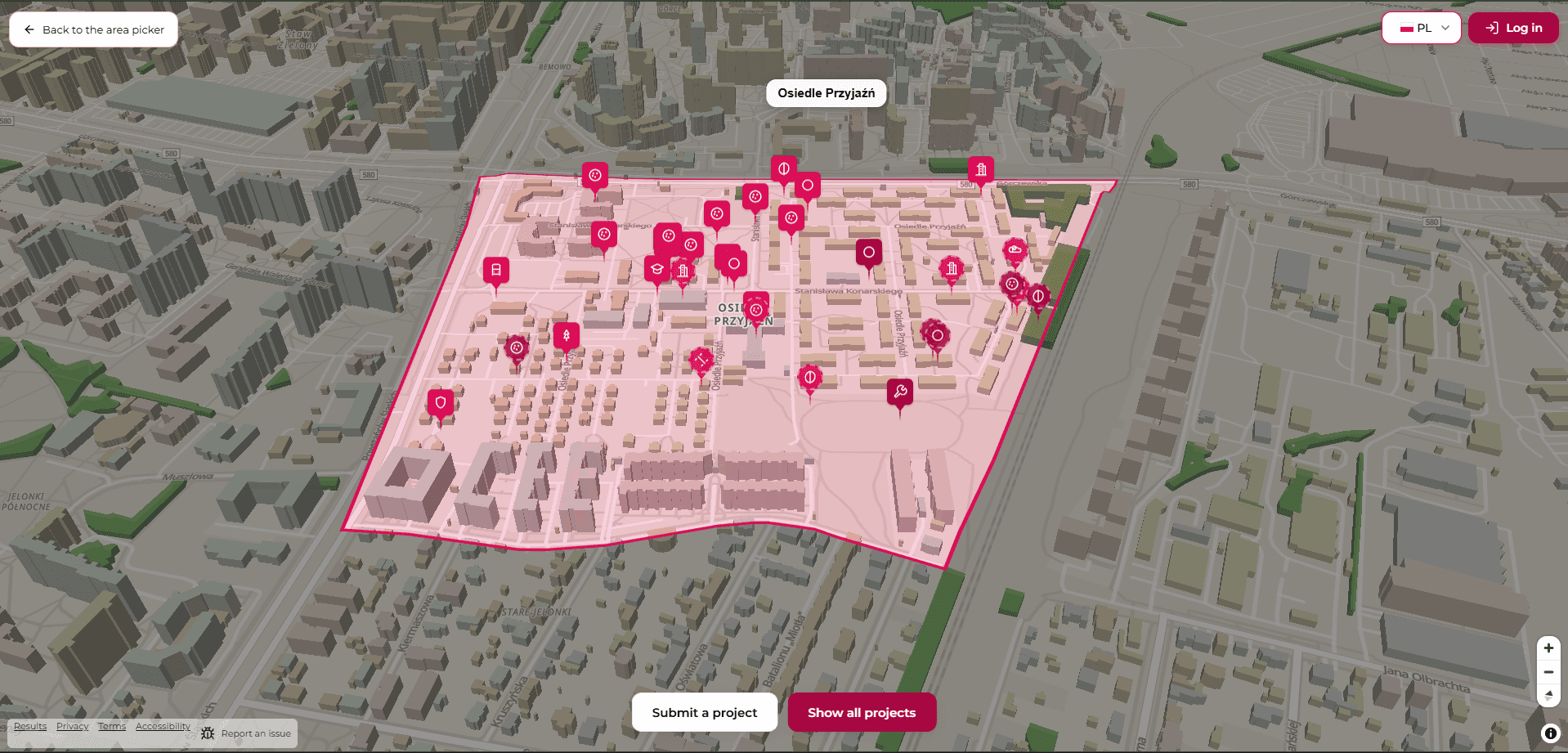
Klaudiush is a 3D visualization platform that brings civic-budget proposals onto an interactive city map, letting residents explore investment proposals in their spatial context. The platform aggregates all project information in one place and tracks each project's status, from submission through voting to completion. It works as an overlay on the existing civic-budget system, increasing transparency without replacing current tools.
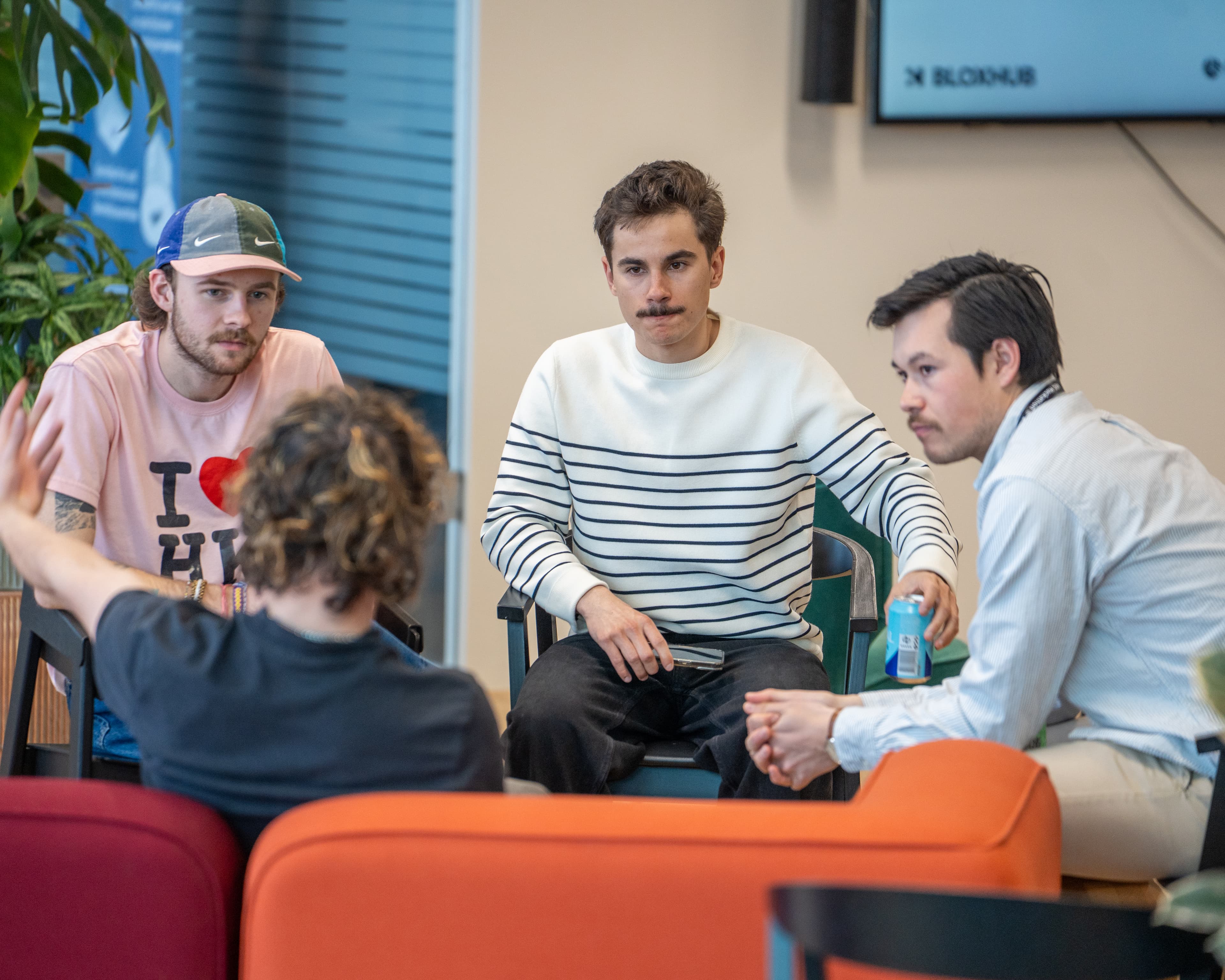
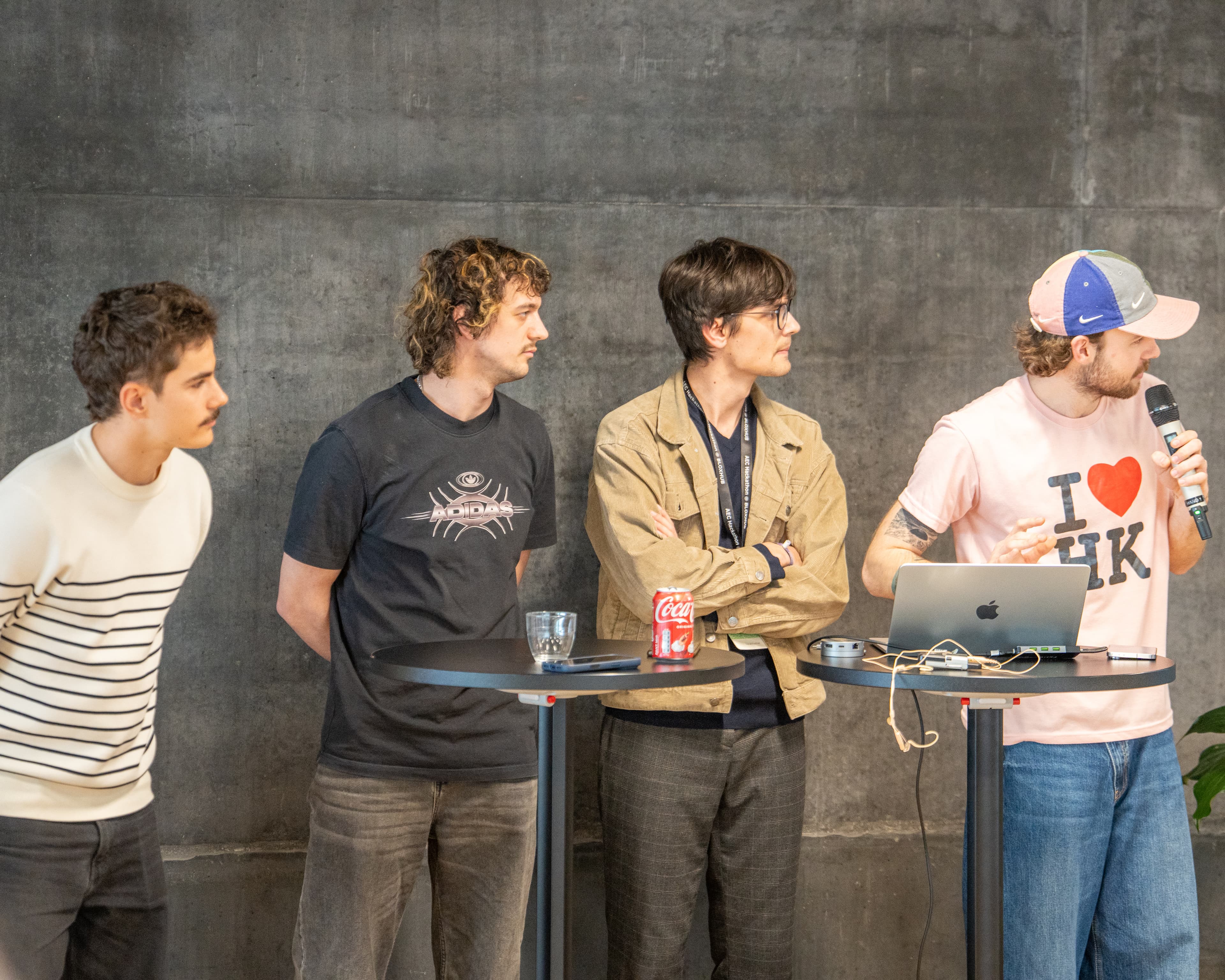
The AEC Hackathon is one of the most important international events connecting architecture, engineering and construction with technology. The Copenhagen edition brought together architects, urban planners, programmers and smart-city specialists from across Europe. Our four-person team designed and built the Klaudiush prototype in under 48 hours.
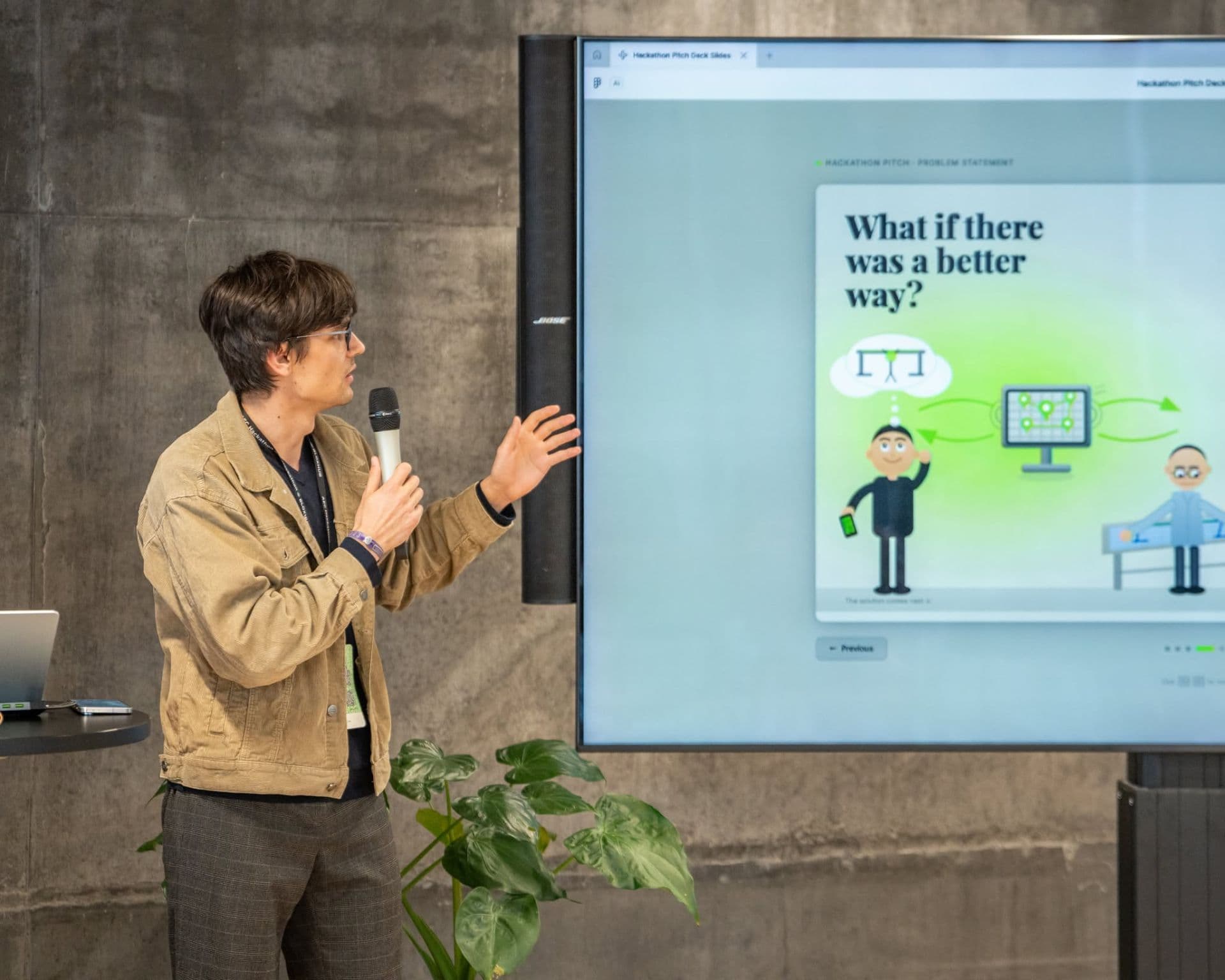
The concept was recognized by the jury and sparked discussions about civic budgets among participants and industry experts from companies like Henning Larsen, confirming that the need for digital inclusivity and transparency in participatory processes is universal, and that 3D visualization is a direction that resonates with industry leaders. Two of those 48 hours were spent sleeping, which in hackathon accounting counts as a luxury.
The problem
Today's civic-budget tools leave residents guessing. Four pain points kept coming up across our research:
Scattered information
Project details are hidden in technical documents and PDFs published across many different sites. Residents often don't know where to find data on project status.
No spatial context
Proposals use geodetic reference numbers instead of clear map visualizations. Residents struggle to assess whether an investment affects their neighborhood.
Poor project monitoring
There is no single, transparent place where residents can track current progress, costs and responsible entities.
Low visibility of completed projects
Many completed investments remain 'anonymous': residents use infrastructure daily without ever knowing they voted it into existence.
The solution
Klaudiush answers each pain point with one unified interface: an overlay on the existing civic-budget system, not a replacement.
One place for all information
All project data (description, budget, location, status, 3D visualization) collected in a single view. No more searching through multiple websites and PDFs.
3D visualization instead of geodetic codes
Each project is placed on an interactive 3D city map. Residents immediately see where the investment will be built and how it will change their surroundings.
Transparent project lifecycle monitoring
The platform tracks every stage: from submission through voting to completion. Residents can check progress, costs and responsible entities at any time.
Visibility of completed investments
Completed projects remain visible on the map with a 'Completed via GBO' label, building trust and inspiring participation in future editions.
Additional value
Beyond transparency, the platform turns resident engagement into structured data the city can act on.
Qualitative picture of preferences
Comments, discussions and voting patterns across districts reveal what residents actually care about, not just what they vote for.
Real justification, not just vote counts
The city gains a clear reason why certain initiatives are popular, giving a solid foundation for validating ideas and prioritising investments. A number tells you what won. The map tells you why.
Trust in the participatory process
A visible feedback loop from submission to completion builds long-term trust and encourages broader participation in future editions.
Live prototype
The interactive 3D map lives at kl4ud1u5h.vercel.app: 157 projects, 3D buildings, bike paths, parks and a cadastral overlay, rendered on Google Photorealistic 3D Tiles via MapLibre GL JS. The hackathon build focused on Gliwice as a pilot city within the GZM Metropolitan Area.
Demo video
Live demo
Try the interactive prototype in your browser.
Open live demo →Team
- Adam BączekI LO Gliwice graduate · MSc Digital Business, Copenhagen Business School
- Mikołaj SapekI LO Gliwice graduate · MSc Data Science, Copenhagen Business School
- Maciej SachseMSc Architecture, TU Delft
- Jan SachseAI specialist at Asseco